


Findability
The site's ability to be discovered, crawled and indexed by Google.

With everything configured, your site is crawled, indexed and available in search results. Ready to be found by your audience!
Site onlineSchema (structured data) helps search engines better understand your site's content and show extra information in the results.
{
  "@context": "https://schema.org",
  "@type": "WebSite",
  "name": "Your Site",
  "url": "https://yoursite.com"
}
Schema.org
robots.txt tells search engines which areas of the site can be crawled and where to find the page map.
User-agent: *
Allow: /

Sitemap: https://yoursite.com/sitemap.xml
robots.txt
Canonical tags prevent duplicate content by telling search engines which version of each page is the main one.
<link rel="canonical"
  href="https://yoursite.com/" />
Canonical
Meta tags set the title and description that appear on Google — your audience's first contact with your site.
<title>Your Site</title>
<meta name="description"
  content="What you do." />
meta tags
sitemap.xml lists every page on the site, making crawling and indexing easier for search engines.
<urlset>
  <url>
    <loc>https://yoursite.com/</loc>
  </url>
</urlset>
sitemap.xml
The index.html file is your site's main page. It structures the content and starts your presence on the web.
<!DOCTYPE html>
<html lang="en">
  <head>
    <title>Your Site</title>
  </head>
  <body>...</body>
</html>
index.html
If your clients only find you through referrals or ads, and your website works mostly as a portfolio because organic search barely exists, the problem probably isn't the design — especially if your site already looks beautiful and eye-catching. It almost certainly lies in the structure beneath the surface.
The site's ability to be discovered, crawled and indexed by Google.
Does the page answer exactly what is being searched for?
Do search engines and AIs consider your site authoritative and legitimate?
Do visitors understand what to do once they find your site?
Instagram, referrals and ads that interrupt someone and ask for attention. They work — but they depend on you to keep paying or posting, and on that person still being interested in what you offer at that exact moment.
Search structure makes your business appear at the exact moment someone has already decided to look for what you offer.
"It's easier to sell to someone who is already looking for what you sell than to convince someone to buy."
Having keywords on your site is not the same as having a site built on a search strategy. A website can be beautiful and still depend entirely on Instagram, referrals and ads for people to reach it.
A complete review of findability, relevance, trust and action on your current site.
Restructuring pages, URLs and navigation around real search intent.
Indexing, crawling, performance and the signals Google uses to decide whether to show your page.
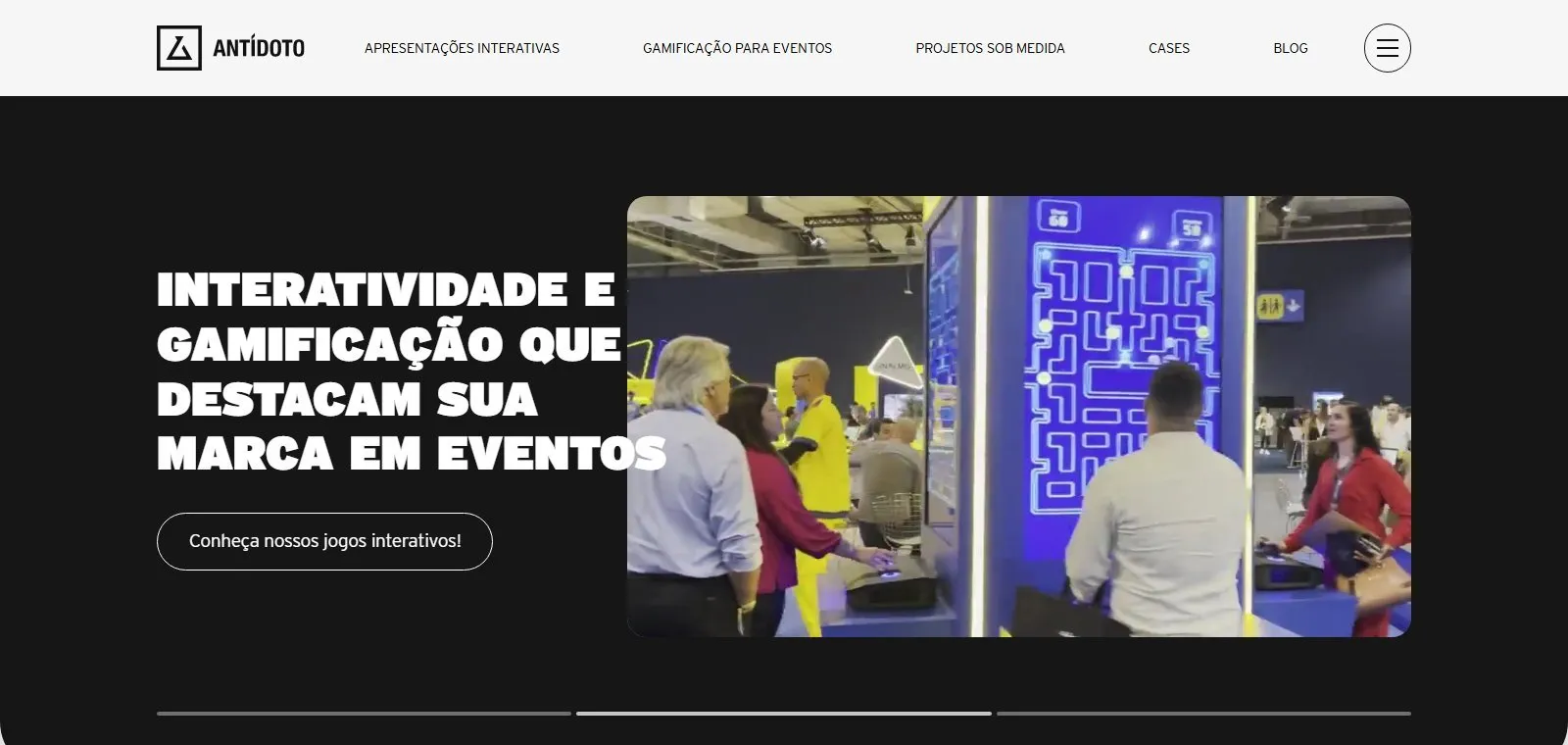
A leading interactive technology company with major clients, whose Webflow site had hundreds of underperforming pages that didn't deliver everything Antídoto has to offer. Targeted fixes unlocked its potential to bring in new clients and finally let the site show the company's full scale.
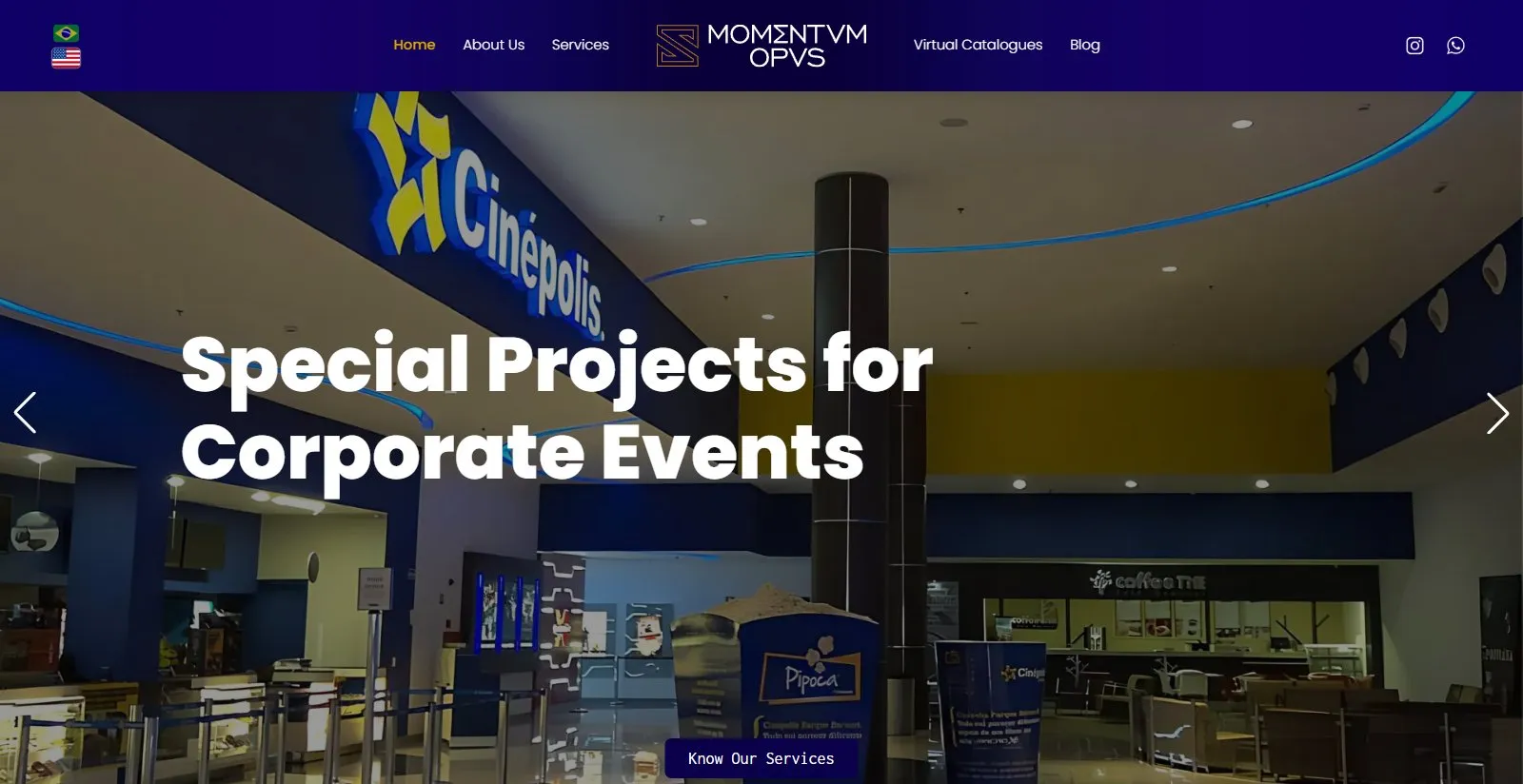
A company in the same group as UNDERNEATH, where the method was born. Its capacity to deliver wasn't being properly explored: the site was built, but most traffic still came from referrals and social media. Indexing and relevance problems were addressed with technical and architectural fixes on top of the already published site.
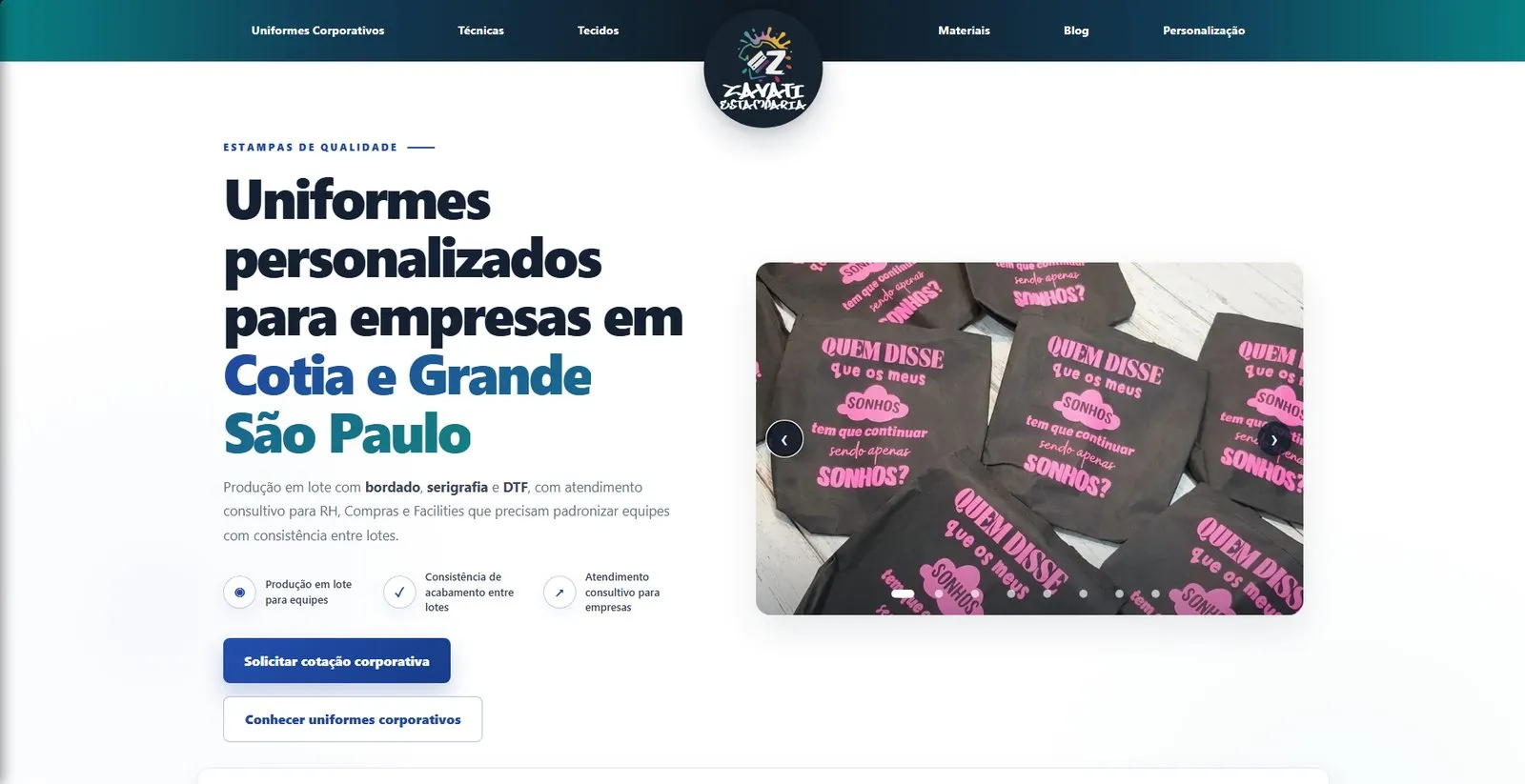
UNDERNEATH built the company's website with the right structure from launch. The result was efficient indexing followed by growth in clicks and contacts from the very start. The site keeps growing with our continuous development.

The tattoo studio refocused its business and opened a new line in aesthetics and health with a very specific niche: laser tattoo removal and nail treatment. The new site introduced this focus without replacing or conflicting with the old one — even the visual identity was kept.
The diagnosis shows exactly which of the 4 layers holds the problem — before any sales conversation.
Analyze my site