
Website creation: what 4 real cases show before you start
A beautiful, live website doesn't guarantee anyone will find it. The decisions that matter most come before the design: who the site is for, what each page answers and whether starting from scratch is really worth it.
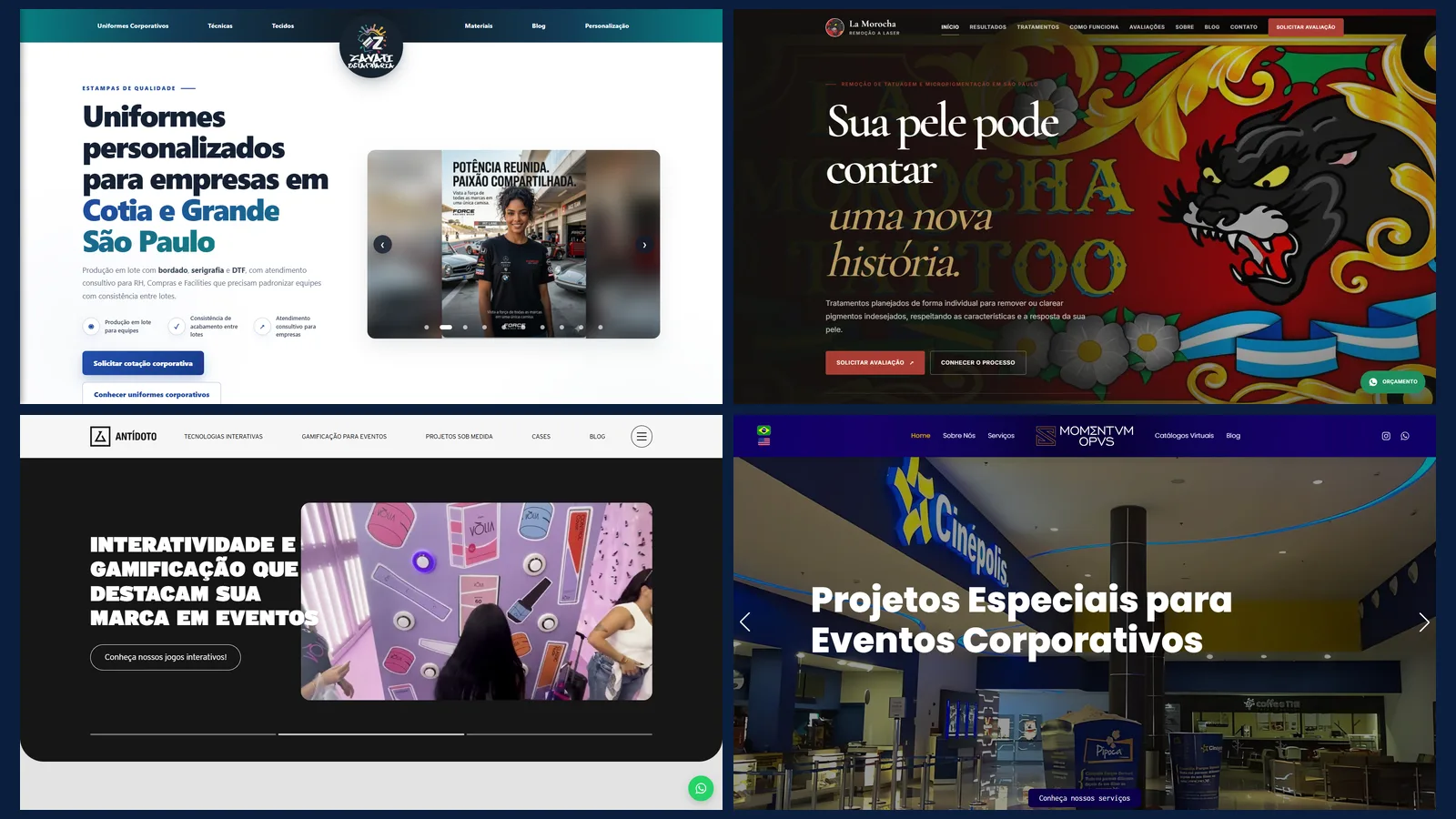
A live site isn't a site that gets found
When a business decides to build a website, the conversation usually starts with design and platform. Both matter, but neither answers the question that decides the return: when someone looks for what the business does, will this site show up?
The answer depends on choices that are cheaper to make early: which pages exist, what each one answers, how Google will read it all and what the next step is for visitors. Leaving those choices until after launch almost always means redoing work.
4 starting points, 4 different answers
The cases below are real websites UNDERNEATH worked on. Only 2 of them needed a new site, and that's the first lesson: building from scratch is an option, not the rule.
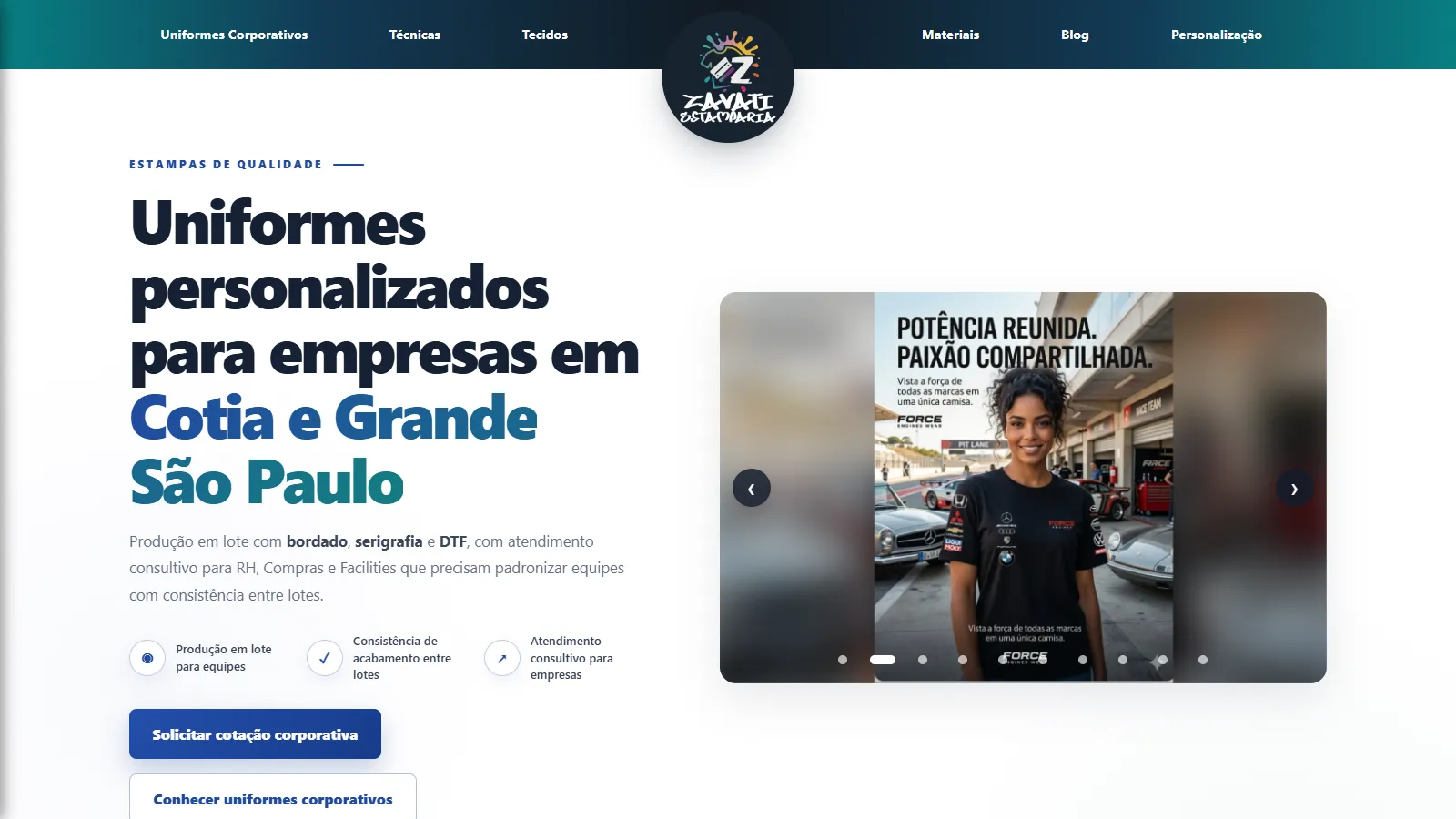
Zavati Estamparia: no previous site and nothing to undo
Zavati had no website, no indexing history and no technical debt. The challenge wasn't diagnosing a problem but preventing one. The pages were designed from the start for the business's priority segment, corporate and school uniforms, with correct indexing and structured data from launch.
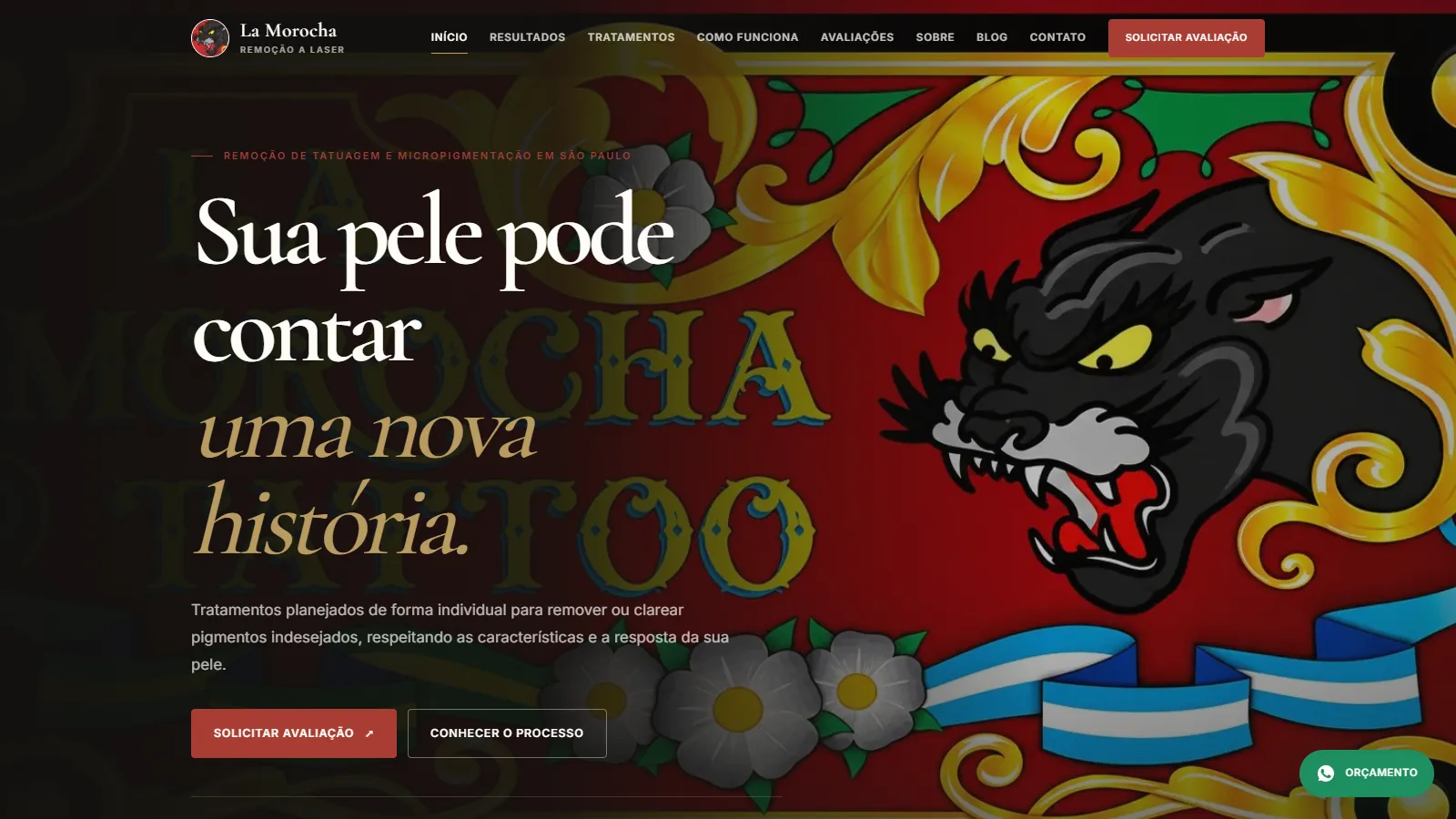
La Morocha Tattoo: a new site because the business changed
The studio already had a website, but it brought no contacts from search. At the same time, its focus shifted to laser tattoo removal. Adapting the old site would have meant competing for 2 different search intents within the same structure. The decision was to keep the old site live and launch a new one, under the same name, designed only for people looking to remove or lighten pigment.
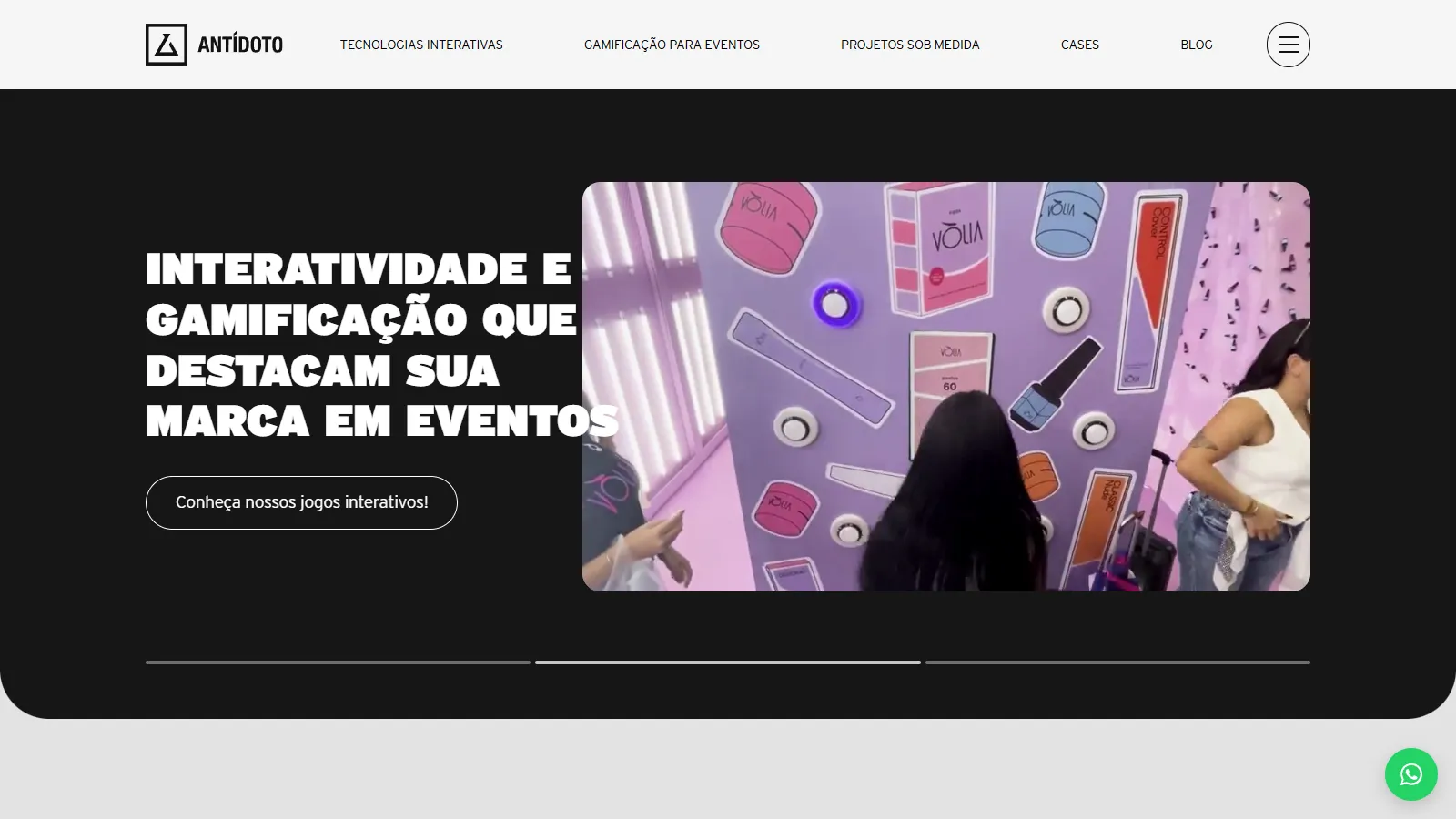
Antídoto: a good site, with the technical foundation holding it back
Antídoto is a leader in interactive technology and gamification for events, with major brands as clients. Its Webflow site reflected that portfolio, but it loaded slowly and its SEO configuration was wrong in important places. The problem wasn't a lack of content or brand, so rebuilding everything wasn't the answer: the fixes were made on the existing site, first on performance and technical setup, then on the relevance of each page.
Momentvm Opvs: a large site Google wasn't reading in full
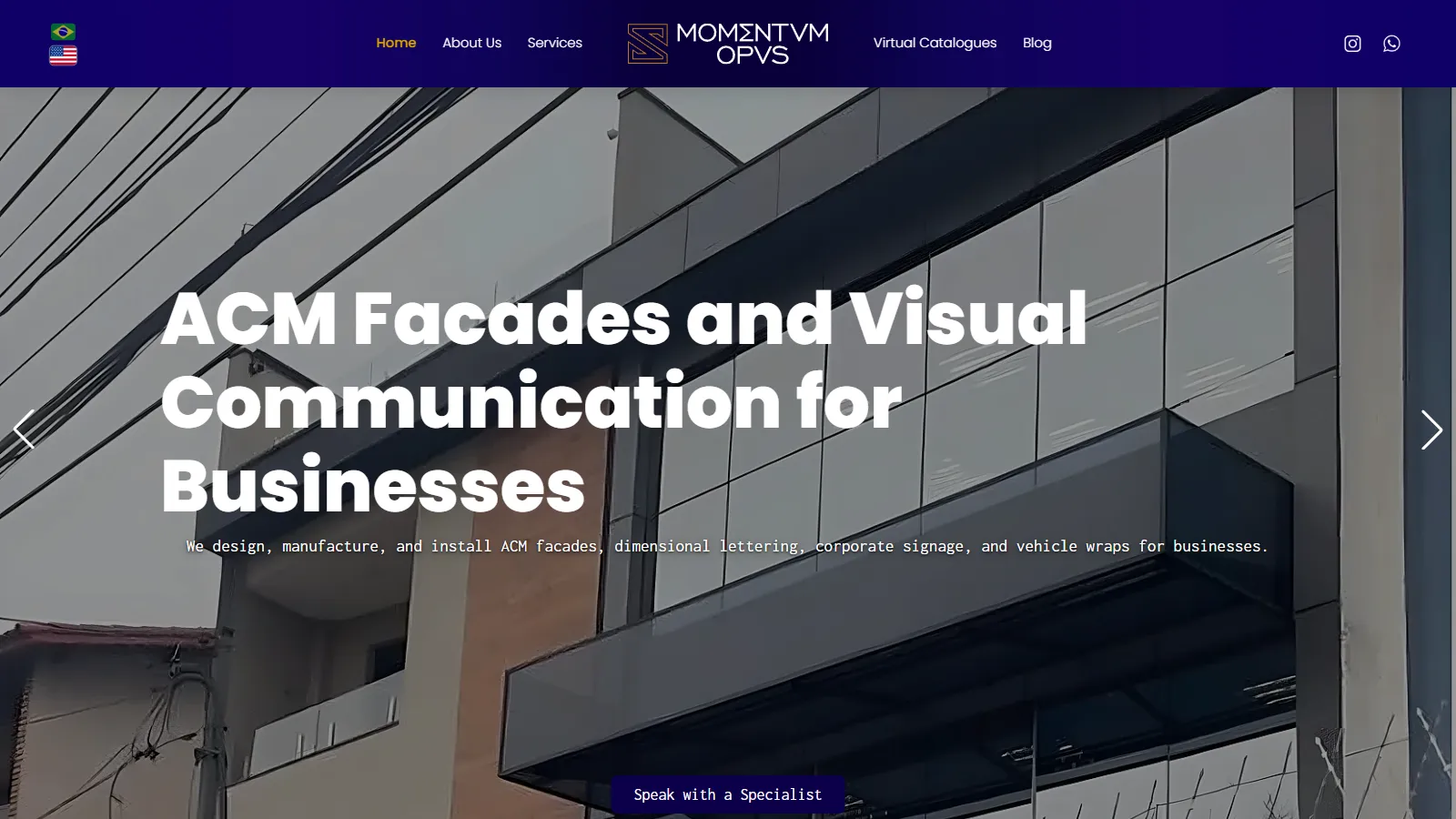
Momentvm Opvs belongs to the same group as UNDERNEATH, so this is an in-house case, not an independent client. The site already had extensive content, but most traffic depended on referrals and social media: parts of it weren't being indexed correctly, and important pages didn't clearly answer what people were searching for. The fix happened without a rebuild, and it was during this work that the UNDERNEATH method took shape.
Build from scratch or fix what exists?
Looking at the 4 cases together, the question stops being "which site looks better" and becomes "what's keeping this site from working".
- Usually calls for a new site: when there's no site yet, or when the business changed focus and the current site answers a different search intent.
- Usually calls for fixes: when the brand and content are good, but the technical foundation holds back performance, indexing or page relevance.
Switching sites without need also carries risk. If old addresses that already show up in search aren't redirected, the rankings you've earned can disappear with them.
What's at stake before the first page
- Who the site is for: the audience and region define the language of the pages and which searches are worth competing for.
- What each page answers: a site that tries to cover everything on one page rarely answers any search well.
- What the first screen says: visitors need to understand in seconds what the business does and for whom.
- The technical foundation: indexing, speed and structured data are simpler to get right before there's a whole site to fix.
- The next step: without a clear path to contact, even the right visitor leaves.
Websites mentioned
Building or rebuilding a site?
The diagnosis shows whether it's worth starting from scratch or fixing what you have, before any sales conversation.
Analyze my siteKeep reading

From SEO to GEO: how to get your site cited by AIs
Ranking on Google isn't enough when ChatGPT, Gemini and AI Overviews answer first. Learn what GEO is and what makes AI tools cite your website as a source.

Zero-click: when Google answers and nobody clicks
With ready-made answers on the results page, many people don't click on any site at all. See how to keep your brand visible and why content with information gain is now worth more.